From Korea To The Moon: Neil Armstrong's Navy Years And The Apollo Rocks
A public version of an article from The Led Zeppelin Bus Newsletter, Issue 1005 (Nov. 6, 2026). Details are as published then; dates, prices and schedules may have changed since.
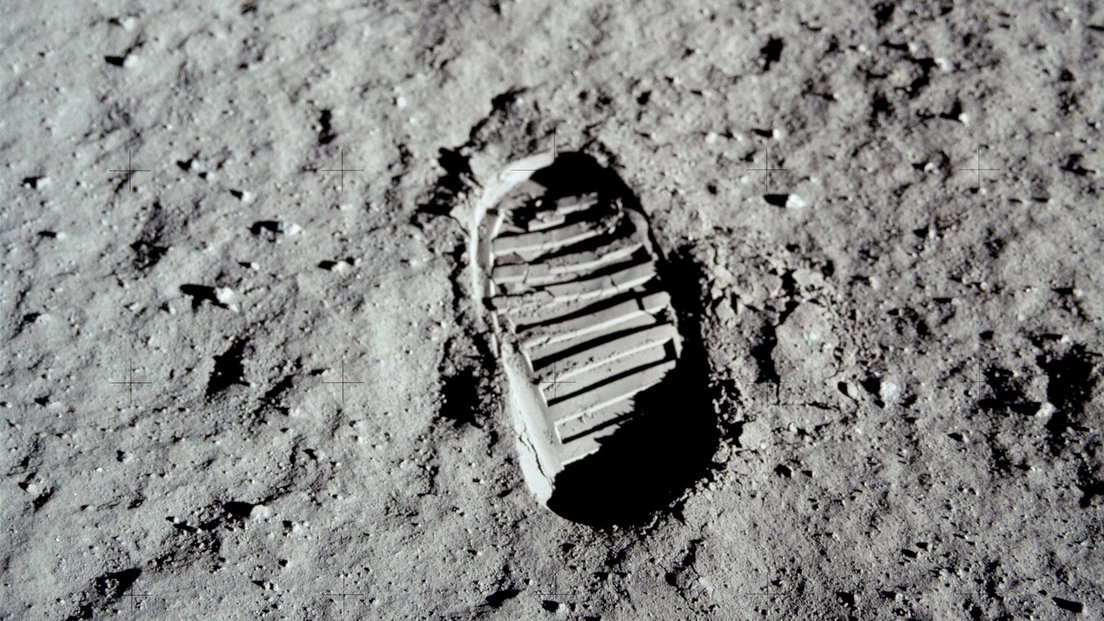
The first person to step onto the Moon learned to fly in the Navy. Before Neil Armstrong commanded Apollo 11, he was a naval aviator from 1949 to 1952 and flew 78 combat missions in the Korean War, in an F9F Panther jet from the aircraft carrier USS Essex. On one low bombing run his jet was disabled; he parachuted out and was rescued. He stayed in the Navy Reserve until 1960.
What the astronauts brought home. Between 1969 and 1972, six Apollo landing missions returned 382 kilograms (842 pounds) of lunar rock, core samples, pebbles, sand and dust: 2,196 documented samples in all. NASA still curates them in Houston and lends them to scientists, and new studies keep coming from material collected more than 50 years ago.
The Moon rocks collectors can own. Apollo samples remain NASA property. Lunar meteorites are a different matter: they are pieces of the Moon blasted off by impacts that later fell to Earth. Washington University in St. Louis counted 714 named lunar meteorite stones as of December 31, 2024, and notes that many are fragments of the same fall, so the number of separate meteoroids is less than half that.
For the specimen shelf. Our view: Veterans Day is a good moment to remember that the first person to walk among the Moon rocks scientists still study was a Korean War veteran. When you buy a lunar or any other meteorite, ask for its official name and classification in the Meteoritical Society's database.
Written with the help of AI writing tools and reviewed by The Led Zeppelin Bus.
Sources
Naval History and Heritage Command, "Neil A. Armstrong" (biography).
U.S. Department of War, "First Man on the Moon Was a Combat Naval Aviator."
NASA Astromaterials Curation, "Lunar Rocks and Soils from Apollo Missions."
NASA Science, "NASA's Apollo Samples Yield New Information about the Moon."
Washington University in St. Louis, "Lunar meteorites."
Meteoritical Society, Meteoritical Bulletin Database.
Only active subscribers can comment or rate articles on ledzeppelinbus.com. A Subscription is $7/month. Anyone can browse the shop, the blog and the home page; a Subscription is needed to buy, comment or rate.
Spotted an error? Email support@ledzeppelinbus.com.

Comments And Threads
Comments earn store credit. Every comment we approve earns 10 store credits (worth $1.00 in the shop), whatever it says: positive, negative or neutral. We do not ask for or pay for positive comments or reviews. Limits: 100 credits a day and 1,000 credits a month ($100.00) per account. Credits have no cash value, cannot be cashed out or transferred, and expire after 12 months. Comments are reviewed before they appear; we approve or reject on the comment rules only. One account per person. Credit is shown in your account once approved and applied by hand to a shop order or subscription month.
Loading comments…